 Hylex
Hylex
Unlocking Natural Joint Health: Your Guide to Mobility & Well-being
An independent educational resource dedicated to understanding natural approaches to joint health and maintaining an active lifestyle.
Educational Content Only. No Promises of Outcomes.
Understanding Joint Mechanics
Joints are complex structures composed of multiple components working in harmony. Cartilage, a smooth connective tissue, covers the ends of bones and allows for fluid movement. Ligaments and tendons provide stability and support, while synovial fluid lubricates the joint space, reducing friction and enabling comfortable motion.
Several factors influence joint mobility and function. Regular movement and appropriate physical activity help maintain joint flexibility and strength. A balanced diet rich in essential nutrients supports the structural integrity of connective tissues. Hydration is equally important, as it contributes to cartilage health and overall musculoskeletal well-being.
The Foundation of Movement
The human body's ability to move smoothly depends on the harmonious interaction of bones, muscles, and connective tissues. Understanding how these components work together helps us appreciate the importance of maintaining joint health through lifestyle choices.
Environmental factors, genetics, and personal habits all play roles in long-term joint function. This educational resource explores how natural compounds and botanical extracts have been traditionally used to support joint comfort and flexibility within a healthy lifestyle context.
Key Natural Ingredients for Joint Support
Various natural compounds have been studied for their potential role in maintaining joint health and supporting flexibility. Below are three commonly discussed ingredients in the context of natural joint wellness.
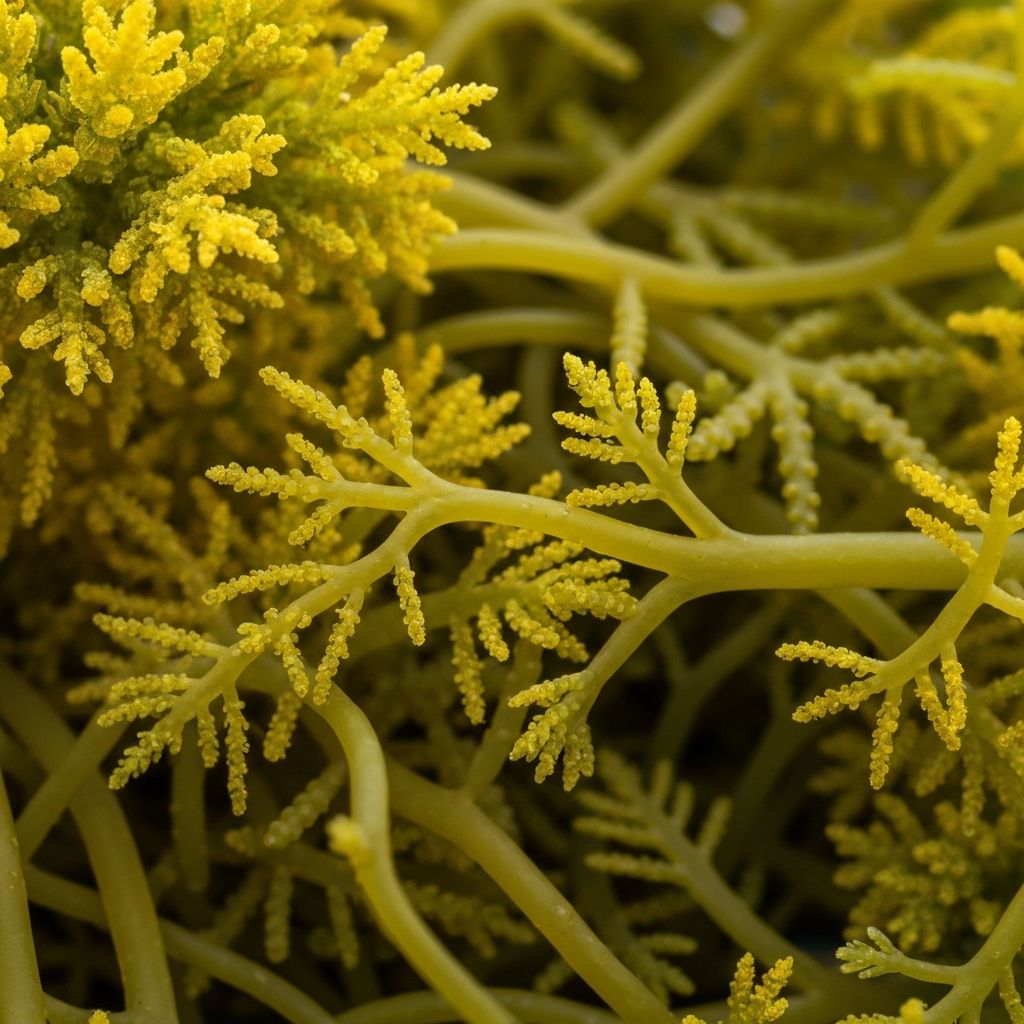
Glucosamine
Glucosamine is a naturally occurring compound found in cartilage. It is believed to play a role in maintaining the structural integrity of cartilage and supporting joint cushioning. Many individuals include glucosamine-rich foods or supplements as part of their natural wellness approach to support joint function.
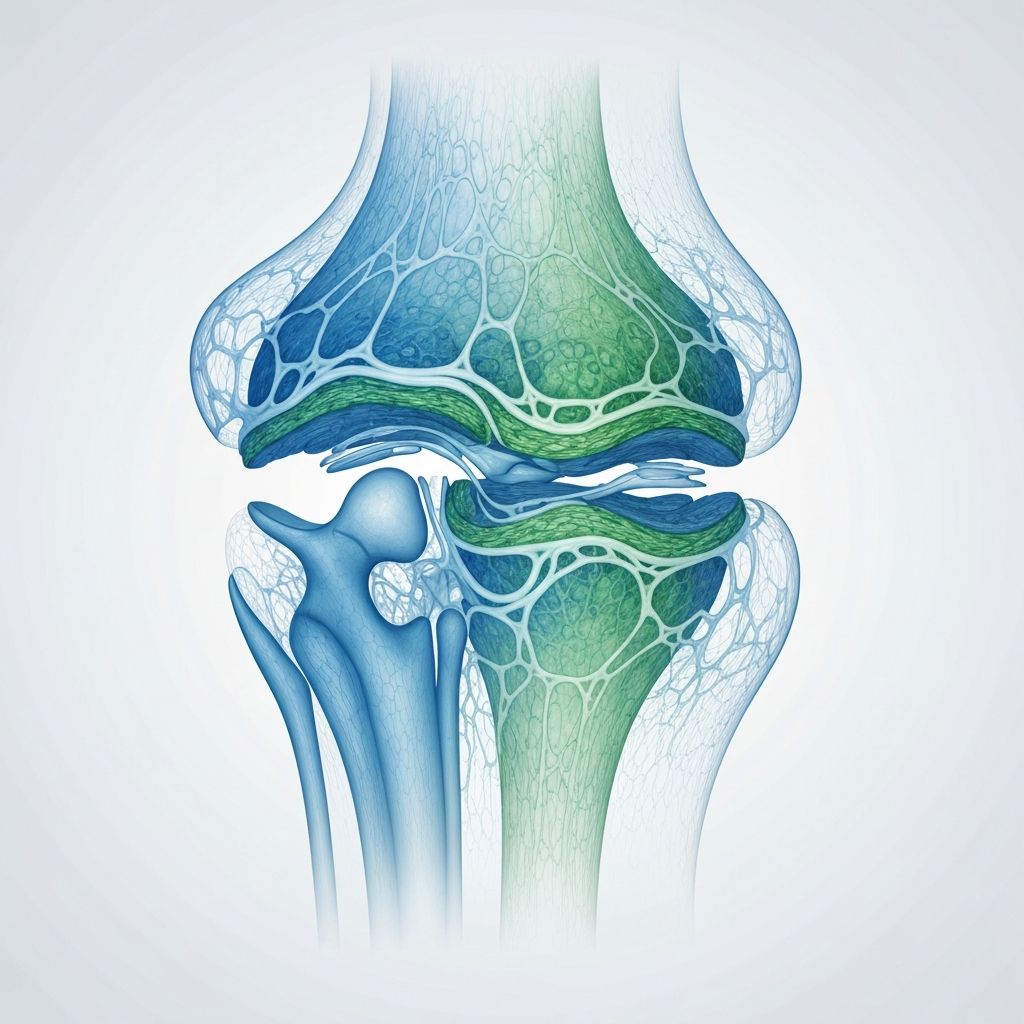
Chondroitin
Chondroitin is another key component of cartilage that helps retain water and provides elasticity to joint tissue. This substance works synergistically with glucosamine to support cartilage health. It is often discussed in the context of maintaining joint flexibility and comfort through natural means.
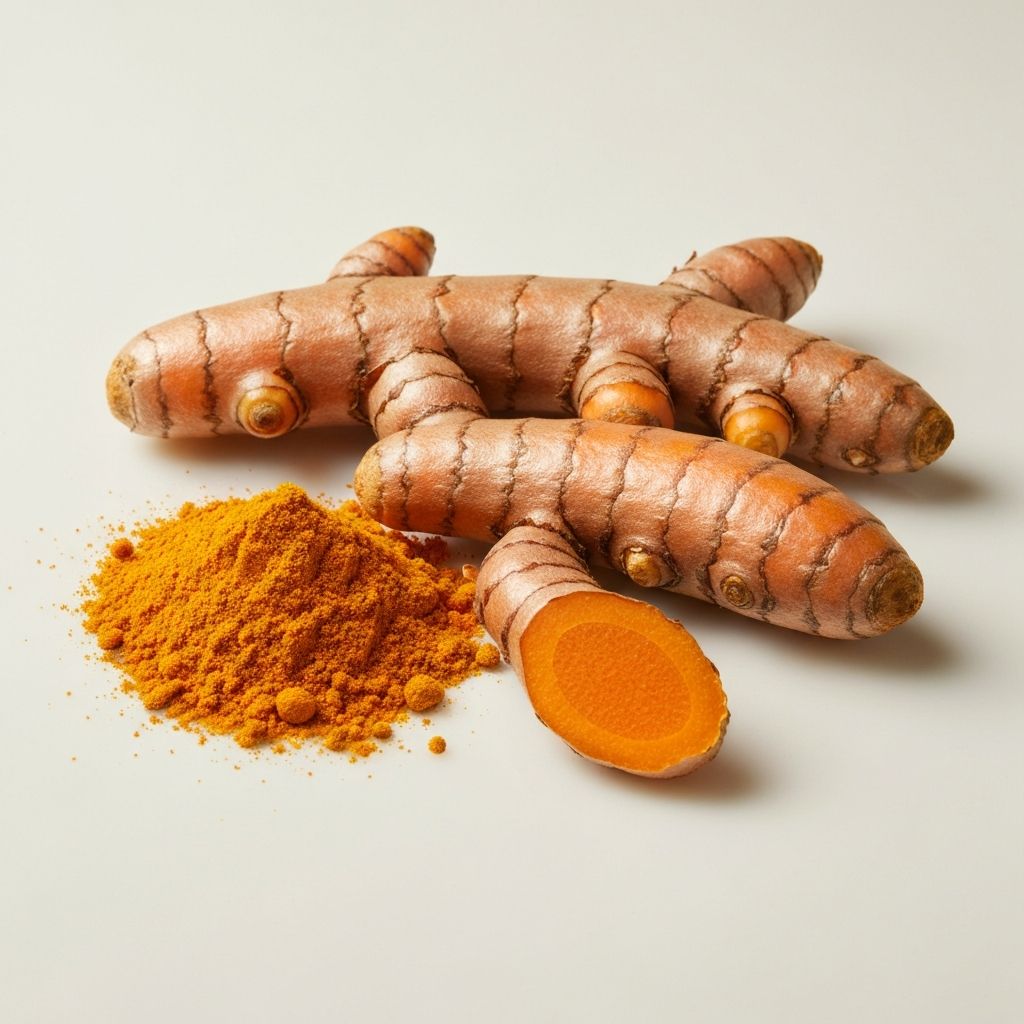
Turmeric (Curcumin)
Turmeric, containing the active compound curcumin, has been used in traditional wellness practices for centuries. Modern research suggests it may support the body's natural inflammatory response. Turmeric is frequently incorporated into natural joint health strategies as a powerful botanical extract.
The Role of a Balanced Lifestyle
Essential Factors for Joint Wellness
- Proper Hydration: Water is essential for maintaining cartilage health and supporting joint lubrication.
- Regular Movement: Moderate exercise and consistent physical activity help maintain joint flexibility and strength.
- Balanced Nutrition: A diet rich in vitamins, minerals, and antioxidants supports musculoskeletal health.
- Adequate Rest: Quality sleep and recovery time are crucial for tissue repair and overall wellness.
- Stress Management: Reducing stress supports overall health and may contribute to joint comfort.

Exploring Botanical Extracts

Traditional Plant-Based Approaches
Botanical extracts have been utilized in wellness practices across many cultures for thousands of years. These plant-derived compounds offer a natural approach to supporting joint comfort and flexibility without the interventions associated with synthetic medications.
Many botanical extracts contain active compounds that may support the body's natural inflammatory response and contribute to joint health. Examples include extracts from ginger, boswellia serrata, and various other plants that have been traditionally valued for their supportive properties.
The field of natural wellness continues to research how these botanical extracts interact with the body to maintain joint tissues and support overall musculoskeletal function. This educational approach emphasizes understanding the scientific basis of traditional remedies.
Maintaining Flexibility and Comfort
Incorporating gentle movement into your daily routine supports joint health. Activities such as walking, swimming, cycling, or yoga can help maintain flexibility and strengthen supporting muscles. Start slowly and gradually increase activity levels to avoid strain.
A diet rich in omega-3 fatty acids, antioxidants, and essential minerals supports joint function. Include foods such as fatty fish, leafy greens, nuts, berries, and whole grains. These foods provide nutrients that contribute to the maintenance of healthy connective tissues.
Proper hydration is fundamental to joint health. Water maintains the composition of synovial fluid and supports cartilage elasticity. Aim to drink adequate water throughout the day, particularly before and after physical activity.
Allow sufficient time for recovery after physical activity. Adequate sleep, proper nutrition, and stress reduction contribute to tissue repair and overall joint health. Balance activity with rest to maintain long-term joint comfort.
The Science Behind Joint Wellness
Understanding the scientific mechanisms behind natural approaches to joint health helps us make informed decisions about our well-being. Natural compounds work through various biological pathways to support joint tissues and maintain healthy function.
How Natural Compounds Support Joint Health
- Structural Support: Compounds like glucosamine and collagen provide building blocks for cartilage and connective tissue maintenance.
- Anti-inflammatory Support: Many botanical extracts are believed to help the body maintain a healthy inflammatory response within normal ranges.
- Antioxidant Protection: Natural compounds rich in antioxidants may help protect joint tissues from oxidative stress.
- Lubrication Enhancement: Compounds such as hyaluronic acid support the production and maintenance of synovial fluid.
- Collagen Synthesis: Vitamin C and other nutrients support the body's natural collagen production process.
Nutrition for Active Living
| Nutrient Category | Key Sources | Role in Joint Health |
|---|---|---|
| Omega-3 Fatty Acids | Fish, flaxseeds, walnuts, chia seeds | Supports healthy inflammatory response and joint lubrication |
| Vitamin C | Citrus fruits, berries, leafy greens, bell peppers | Essential for collagen synthesis and tissue repair |
| Protein | Lean meats, poultry, legumes, dairy, nuts | Provides amino acids for muscle and tissue maintenance |
| Antioxidants | Berries, dark chocolate, green tea, turmeric | Protects joint tissues from oxidative damage |
| Minerals (Calcium, Magnesium) | Dairy, leafy greens, nuts, seeds, legumes | Supports bone strength and muscle function |
| Hyaluronic Acid | Bone broth, leafy greens, root vegetables | Maintains cartilage hydration and flexibility |

Historical Context of Natural Remedies
The use of natural approaches to support joint health spans centuries across many cultures. Understanding this historical context helps us appreciate the traditional wisdom that informs modern natural wellness practices.
Ancient China & India (5000+ years ago)
Traditional Chinese Medicine and Ayurveda documented the use of ginger, turmeric, and other botanical extracts for supporting joint comfort and promoting movement. These practices remain influential in natural wellness today.
Ancient Egypt & Greece (2000+ years ago)
Egyptian papyri and Greek texts reference the therapeutic benefits of various plants and minerals for maintaining joint mobility. These early documented uses laid the foundation for later Western herbal traditions.
Medieval & Renaissance Europe (500-1500 AD)
European herbalists systematically documented plant-based approaches to supporting joint health. These knowledge systems preserved and expanded upon earlier traditions from other cultures.
Modern Scientific Era (1900s-present)
Contemporary research began validating the mechanisms of traditional remedies, identifying active compounds in botanicals and studying their effects on joint tissues and musculoskeletal function.
Myths and Facts About Joint Care
Common Myths
Myth: All joint pain indicates serious disease
Joint discomfort can result from various factors including normal wear, activity level, lifestyle habits, and minor inflammation. Not all joint concerns indicate underlying pathology.
Myth: Rest is always the best solution
While adequate recovery is important, prolonged inactivity can weaken supporting muscles and reduce flexibility. Appropriate movement and exercise are essential for joint health.
Myth: Natural remedies work instantly
Supporting joint health is a gradual process. Consistent lifestyle changes and natural approaches take time to produce noticeable effects on comfort and flexibility.
Evidence-Based Facts
Fact: Movement maintains joint health
Regular, moderate physical activity is one of the most effective ways to maintain joint flexibility, strengthen supporting muscles, and promote long-term joint function.
Fact: Nutrition significantly impacts joints
A balanced diet rich in anti-inflammatory foods, antioxidants, and essential nutrients directly supports cartilage health, tissue repair, and overall musculoskeletal well-being.
Fact: Natural compounds have measurable effects
Scientific research demonstrates that specific botanical extracts and natural compounds can support healthy inflammatory response, cartilage integrity, and joint flexibility when used consistently.
Frequently Asked Questions on Joint Health
What is the difference between joint health and medical treatment?
Joint health focuses on maintaining comfort, flexibility, and function through lifestyle choices, nutrition, and natural support strategies. Medical treatment addresses diagnosed conditions through professional healthcare interventions. This educational site addresses the former only.
How long does it take to notice improvements in joint comfort?
Consistent lifestyle changes typically show noticeable effects within 4-8 weeks. However, individual responses vary based on genetics, current habits, activity levels, and overall health. Patience and consistency are key factors.
Can natural ingredients replace professional medical care?
Natural approaches support overall health and wellness but do not replace professional medical diagnosis or treatment. If you have health concerns, consult with a qualified healthcare provider for proper evaluation and guidance.
What type of exercise is best for joint health?
Low-impact activities such as walking, swimming, cycling, yoga, and pilates are excellent for joint health. These activities improve flexibility and strengthen supporting muscles without excessive joint stress. Always start gradually and listen to your body.
How does hydration affect joint function?
Adequate hydration maintains the composition of synovial fluid, which lubricates joints and provides cushioning. Water also supports cartilage elasticity and overall tissue health. Proper hydration is fundamental to maintaining joint comfort and flexibility.
Are botanical extracts safe for everyone?
While botanical extracts are generally derived from natural sources, individual sensitivities vary. Some people may have allergies or interactions with medications. Consult with a healthcare professional before introducing new supplements into your routine.
Limitations and Context
This website provides educational information only. The content presented here is designed to explain the role of natural approaches, botanical extracts, and lifestyle factors in maintaining joint health and mobility. It is not medical advice and does not constitute professional healthcare guidance.
The information provided does not make specific claims about treating, curing, or preventing any diseases or medical conditions. Individual experiences with natural approaches vary significantly. Results depend on personal health status, genetics, lifestyle choices, and adherence to recommended practices.
Important: This content does not replace consultation with qualified healthcare professionals. If you have existing health concerns, are pregnant or nursing, take medications, or have chronic conditions, consult with your doctor before implementing significant lifestyle changes or starting new supplement regimens.
Hylex is an independent educational resource and does not sell products or offer medical services. The goal is to provide accurate, unbiased information about natural approaches to joint health within a wellness context.